What Are Bed Bugs

What Are Bed Bugs? A Complete Guide to Identification, Signs and Treatment in the UK
Bed bugs are one of the most feared household pests in the UK, yet many people know very little about them until they discover an infestation in their home. These tiny insects can quickly spread through bedrooms, hotels, flats and shared accommodation, causing sleepless nights, itchy bites and significant stress.
In this guide, we’ll explain exactly what bed bugs are, how to identify them, the signs of an infestation, and the most effective methods for getting rid of them.
What Are Bed Bugs?
Bed bugs (Cimex lectularius) are small parasitic insects that feed exclusively on blood, usually while people are sleeping. Adult bed bugs are reddish-brown, flat, oval-shaped insects approximately 4–7mm long, making them roughly the size of an apple seed. They are wingless and excellent at hiding in tiny cracks and crevices.
Unlike mosquitoes or fleas, bed bugs do not live on humans. Instead, they hide near sleeping areas and emerge at night to feed, then return to their hiding places.
Are Bed Bugs Dangerous?
Although bed bugs are unpleasant, they are not known to transmit diseases to humans. However, their bites can cause:
- Itchy red marks
- Skin irritation
- Allergic reactions in some individuals
- Anxiety and stress
- Sleep disruption and insomnia
Severe infestations can significantly affect a person’s quality of life.
What Do Bed Bugs Look Like?
Adult Bed Bugs
Adult bed bugs are:
- Flat and oval-shaped
- Reddish-brown in colour
- Approximately 5–7mm long
- About the size of an apple seed
Young Bed Bugs (Nymphs)
Young bed bugs are:
- Much smaller
- Pale or translucent in colour
- Difficult to spot without close inspection
Bed Bug Eggs
Bed bug eggs are:
- White or pearly white
- Around 1mm long
- Often hidden deep within cracks, joints and mattress seams.
A single female bed bug can lay hundreds of eggs during her lifetime, allowing infestations to grow rapidly if left untreated.
How Do Bed Bugs Get Into Your Home?
Many people wrongly assume bed bugs are caused by poor hygiene. In reality, bed bugs can affect any property regardless of cleanliness. They are expert hitchhikers and commonly enter homes through:
- Luggage after travelling
- Hotels and holiday accommodation
- Second-hand furniture
- Public transport
- Shared housing and apartment buildings
- Visitors carrying bugs unknowingly.
Bed bugs are commonly transported in clothing, suitcases, bedding and furniture.
Signs You Have Bed Bugs
Early detection is crucial for successful treatment.
Common signs include:
Bed Bug Bites
Many people notice:
- Red itchy bites
- Clusters or lines of bites
- Bites on arms, neck, shoulders and legs
However, some individuals show no reaction at all.
Blood Spots on Bedding
Small rust-coloured or reddish stains may appear on:
- Sheets
- Pillowcases
- Mattresses
These can be caused by crushed bed bugs or feeding activity.
Black Faecal Marks
Tiny black dots often appear around:
- Mattress seams
- Bed frames
- Headboards
- Skirting boards
These are bed bug droppings and a strong indicator of infestation.
Shed Skins
As bed bugs grow, they shed their outer skin multiple times. Finding these skins near sleeping areas can indicate active activity.
Sweet Musty Odour
Larger infestations may produce a distinctive sweet, musty smell.
Where Do Bed Bugs Hide?
Bed bugs prefer to stay close to where people sleep.
Common hiding places include:
- Mattress seams
- Bed frames
- Divan bases
- Headboards
- Furniture joints
- Behind wallpaper
- Electrical sockets
- Skirting boards
- Sofas and armchairs
- Curtains and soft furnishings
They are incredibly good at squeezing into tiny spaces that are difficult to inspect.
Why DIY Treatments Often Fail
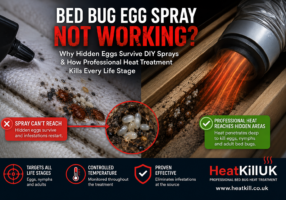
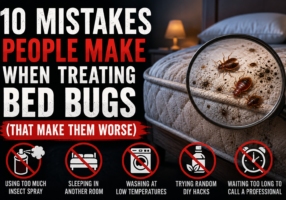
One of the biggest mistakes homeowners make is relying on shop-bought sprays and foggers.
Bed bugs can:
- Hide deep within furniture.
- Survive for months without feeding.
- Spread into new areas when disturbed.
- Develop resistance to some insecticides.
Professional pest controllers and industry experts regularly warn that DIY treatments often miss hidden bugs and eggs, allowing infestations to return.
The Most Effective Bed Bug Treatment
Professional heat treatment is widely regarded as one of the most effective methods of eliminating bed bugs.
Heat treatment works by raising temperatures high enough to kill:
- Adult bed bugs
- Nymphs
- Eggs
Unlike chemical treatments, heat penetrates furniture, mattresses and hidden harbourages where bed bugs live.
Professional Bed Bug Treatment from HeatKillUK
If you suspect bed bugs in your home, fast action is essential.
HeatKillUK specialises in professional bed bug eradication using proven treatment methods designed to eliminate infestations quickly and effectively.
Why choose HeatKillUK?
- Specialist bed bug treatment service
- Professional heat treatment solutions
- Residential and commercial treatments
- Experienced pest control specialists
- Coverage across multiple areas of the UK
- Friendly advice and inspections
For professional help, visit:
Or contact HeatKillUK for a free consultation and treatment quotation.
How to Prevent Bed Bugs
While prevention isn’t always possible, you can reduce the risk by:
- Inspecting hotel rooms when travelling
- Keeping luggage off beds and carpets
- Washing travel clothing at high temperatures
- Inspecting second-hand furniture before bringing it home
- Regularly check mattresses and bed frames.
Early detection can prevent a minor issue from becoming a major infestation.
Frequently Asked Questions
Can bed bugs live in clean homes?
Yes. Bed bugs are not attracted to dirt or poor hygiene. They are attracted to people and can infest any property.
Can I get bed bugs from a hotel?
Yes. Hotels are one of the most common places where bed bugs are picked up and transported home in luggage.
Do bed bugs spread disease?
Current evidence shows that bed bugs are not known to spread diseases to humans.
What kills bed bugs instantly?
Professional heat treatment is one of the most effective methods because it kills all life stages, including eggs.
How quickly do bed bugs spread?
A female bed bug can lay hundreds of eggs during her lifetime, meaning infestations can grow rapidly if not treated.
Conclusion
Bed bugs are small insects that feed on human blood and hide near sleeping areas. While they do not transmit disease, they can cause significant discomfort, stress and sleepless nights. Early detection and professional treatment are the keys to eliminating infestations successfully.
If you suspect bed bugs in your home, don’t wait for the problem to grow.
Contact HeatKillUK today for expert bed bug treatment and professional advice: